1. General Regulations
“Inclusive Dance” International Charity Festival (hereinafter referred to the Festival) is held in order to promote full and equal exercise of all human rights and fundamental liberties by disabled persons. Being based on guiding principles of the Convention on the Rights of Persons with Disabilities, ratified by the Russian Federation in 2012: “respect for difference and acceptance of persons with disabilities as part of human diversity and humanity; respect for the evolving capacities of children with disabilities and respect for the right of children with disabilities to preserve theiridentities”, it is implemented for the purpose of popularising different forms of active participation of disabled persons in society.
This Festival incorporates the following features: an active involvement of disabled people, who found themselves in social isolation, into the art of dancing; involvement of community volunteers in regular creative work with the disabled children and young people; establishing of friendly relationship between the disabled children and volunteers; the creation of a harmonious social environment for the disabled children, young people and their families.
These regulations determine the purpose, format, content, and categories of the participants of The “Inclusive Dance” International Charity Festival.
2. Purposes and goals of the festival
The purpose of the Festival is to popularise the art of dancing as a means of effective social integration and rehabilitation of disabled people.
Goals:
- to support the disabled children and the disabled people, who are fond of different kinds of dance.
- to provide conditions for making acquaintance and friendly relationship between disabled youth and their non-disabled peers.
- to initiate a voluntary movement, which uses different types of dance in order to better involve disabled children and young people in society.
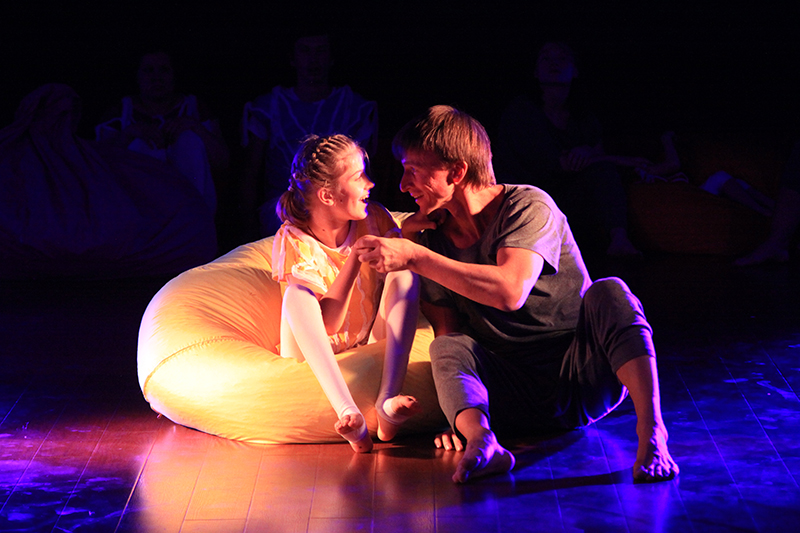
- to develop different styles and forms of inclusive dance, based on the partnered dance of people with and without disability.
- to form positive opinions of the disabled taking an active part in society and about the volunteers helping them; to assist the disabled in self-realisation and to promote volunteer communities
- to promote the activity of volunteer organisations and creative teams which help the disabled and create conditions for their social integration.
3. Festival founders, organisers and partners
The founder of the Festival is an Independent non-profit organisation called “Oduhotvorenie” Centre of Social and Cultural Animation, giving voluntary help to disabled children and the youth in Moscow.
The co-organizer of the Festival is the Fund for Supporting Children in Difficult Life Situations.
The festival is included by the Ministry of Culture of the Russian Federation in the plan of all-Russian public events with the participation of people with disabilities. The festival is held under the auspices of the World Inclusive Dance Association (WIDA).
Founders make financial, material and technical, informational and legal and other support of activity realizing during the Festival. The Festival Organising Committee formed by its founder coordinates all events, connected with preparing and conducting of the Festival, its creative, organizational and technical aspects.
The festival partners are non-governmental organisations of all levels, legal and private persons who accepted its purposes and goals, and signed an agreement on cooperation. Partners make financial, organizational, informational and intellectual support to the event.
Founders, organisers and partners have a right to use names of their organisations and trade mark in advertisement posters, booklets and on the festival web-site, use it in design of Festival opening and closing ceremonies, and also in all other performances and publications devoted to the Festival.
4. Contest Participants
The following individuals may participate in the contest:
- inclusive pairs, in which one of the partners is disabled;
- inclusive dance groups that have members with a disability and members without a disability.
Age categories for participants:
- Children (3-12 years)
- Joniors (13-18 year)
- Youth and Adults (19 years and older)
5. Dance Styles Represented at the Festival
1. Ballroom dance.
Contest dance routines in this category shall be based on the athletic ballroom dance technique (slow waltz, tango, Viennese waltz, slow foxtrot, quickstep, samba, cha-cha-cha, rhumba, pasodoble, jive).
2. Historic dance.
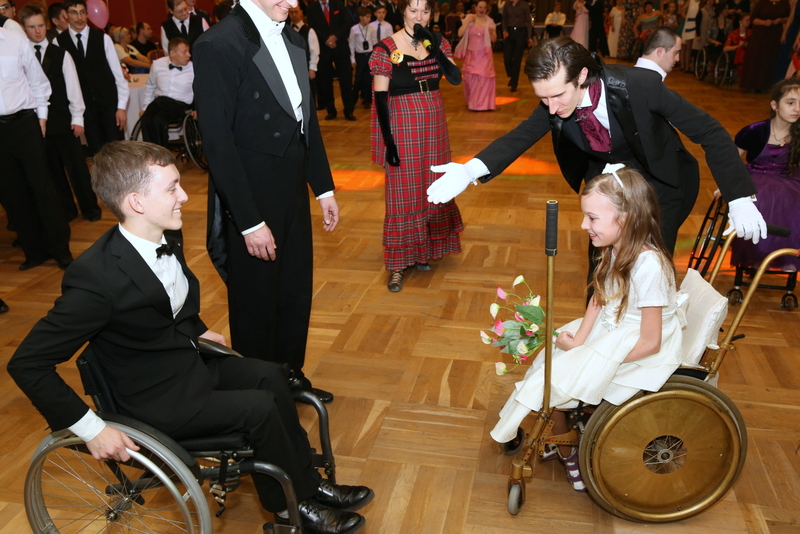
Contest dance routines in this category shall be based on choreography of historical dances (polka, mazurka, polonaise, minuet, and so forth).
3. Ballet.
Contest dance routines in this category shall be based on classical choreography (ballet, demi-classic, dance on points and so forth).
4. Acrobatic dance.
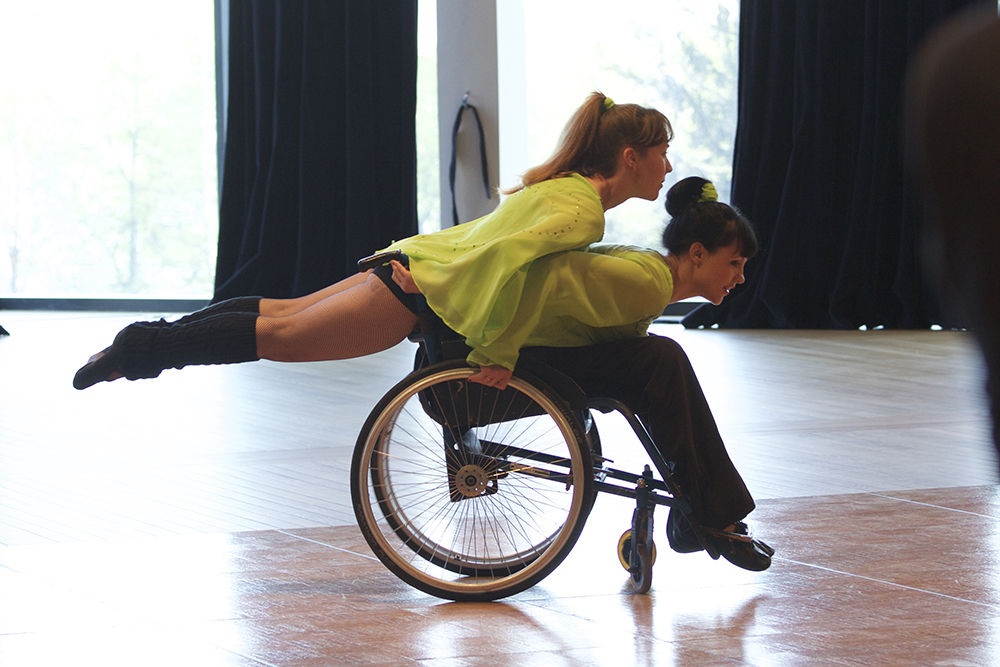
Contest dance routines in this category shall contain acrobatic elements. (acrobatic rock-n-roll, circus numbers and so forth).
5. Social dance.
Contest dance routines in this category shall be based on choreography of social dances (salsa, bachata, mamba, hustle, argentine tango, merengue and so forth).
6. Folk dance.
Contest dance routines in this category shall be based on dances of the peoples of the world. (including oriental dance and bеlly-dance).
7. Modern dance.
Contest dance routines in this category shall be based on modern choreography (modern, jazz-modern, contemporary, performance, improvisation and so forth).
8. Pop dance.
Contest dance routines in this category shall be based on stage dances.
9. Club (street) dance.
Contest dance routines in this category shall be based on club dances (hip-hop, jazz-funk, break-dance, house, tectonic, R’n’B and so forth).
Winners will be chosen in each age category for each dance style:
- Children (3-12 years)
- Joniors (13-18 year)
- Youth and Adults (19 years and older)
And in each category:
- Inclusive pair (2 people)
- Inclusive small group (3-5 people)
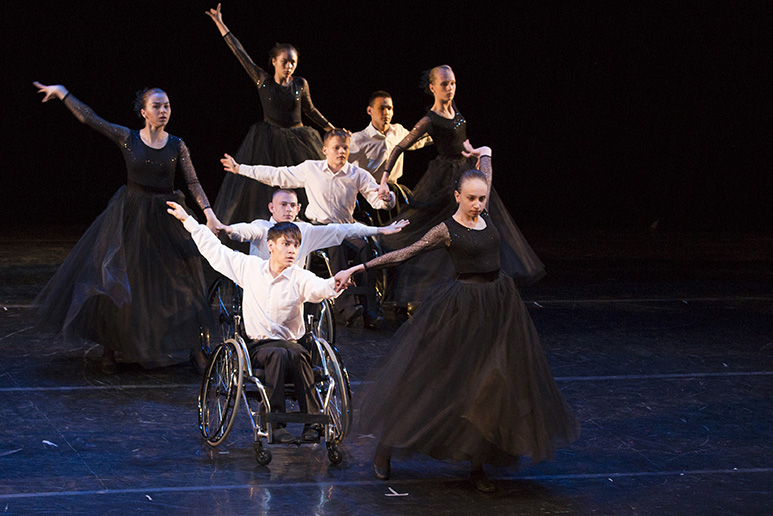
- Inclusive dance group (6 and more people)
When the ages of the participants of a group vary, the group will be considered as belonging to the age category of the predominant number of participants.
According to the decision of the Festival Organizing Committee, dance directions, age categories and nominations can be combined.
6. Assessment Criteria for Festival Participants
The contest's expert jury evaluates submitted dance performances according to 4 criteria:
Choreography. Synchronization of dance movements, use of dance floor space, suitability of the music to the chosen performance concept, suitability of dance movements to the chosen theme or music, suitability of the style to the chosen theme or music, musical content, technical skills of all dancers, creativity (creative approach), originality, artistry, and use of dramatic and theatrical effects.
Performance skills. Technical level of all dancers. Synchronization during performing number. Melodiousness, suitability of movement temp to the rhythm of music. Lines of body, arms and legs which are made in this dance style.
Image. Suitability of costumes and make-up to the chosen image, consistency of hairstyle, appearance, and costumes, cleanliness and neatness of the costumes and shoes, an ability to win over the audience, charisma, confidence, individuality, and emotion.
Inclusiveness. Performance of a dance by a pair, in which one of the partners is disabled, or by group of dancers, which includes people with disabilities. The ability to combine the skills of participants with a disability and without a disability. The degree of the severity of the limitations of the disabled dancers. The cohesiveness of all components of the image in inclusive dance. Work done on the development of a person with disabilities. The quality of interaction between dancers with and without disabilities. Mutual complement dancers in inclusive dance.
7. The Terms and Conditions for Holding the Festival
The International Inclusive Dance Contest is held on an annual basis.
The dates and place of the festival for a given year are determined at a meeting of the Festival’s Organizing Committee and are published as an informational bulletin on the
Festival's website: www.inclusive-dance.ru
The contest is held in two stages.
First Stage (by correspondence)
Before the established deadline, participants submit an application to participate in the competition to the Organizing Committee, along with a video recording of an inclusive dance.
One group/ensemble can apply for no more than five (5) nominations, age groups and categories.
Choreographed performances that participants have previously presented at the Festival's Gala Concert, based on performances of previous contests, will not be permitted in the contest. An expert evaluation of the application will be conducted following its receipt.
A competent jury, comprised of well-known masters of dance, evaluates applications in the various categories of the contest and awards points according to each evaluation criterion.
The dance performances that receive the highest ratings and take first place will be named as the winners of their given category. contest winners are invited to participate in the second stage of the contest and perform at the Festival’s Gala Concert.
All participants, in accordance with the rating level achieved, will be awarded with the titles “First Award Winner”, “Second Award Winner”, “Third Award Winner”, and “Honorary Participant”.
Participants who did not win their category but received a high expert rating may be invited to participate in the Festival’s Gala Concert based on a decision by the Festival's Organizing Committee.
Second Stage (on-site)
A Gala Concert will be held as a part of the closing events of the Festival, at which the winners of the contests perform in Moscow.
The expert jury, who are present at the Gala Concert, assess the winners' performances and choose the best dance performance.
The participant who receives the highest score will be named the absolute winner of the Festival – “Grand Prix Winner”.
The Gala Concert audience votes for their favorite participant, with the “Audience’s Choice Award” being awarded according to the results of the vote.
8. Awarding Festival Participants
All participants receive diplomas specifying their awarded title “First Award Winner”, “Second Award Winner”, “Third Award Winner”, and “Honorary Participant”).
The participant awarded with the title “Grand Prix Winner” receives the Festival’s statuette.
Participants may also be awarded with souvenirs and prizes from the organizers, partners, and sponsors of the Festival.
Agencies, organizations, businesses, and associations of various forms of proprietorship, artistic associations, media outlets, and charitable organizations have the right to establish special prizes with the approval of the Festival’s Organizing Committee.
9. Financing
Financing of the contest is realized through funds of the Festival's founders, coordinators, and charitable donations.
The Festival is held without organization contributions.
Participants paying their own accommodation, meals, and travel costs associated with the closing events of the Festival.
10. Submission of Contest Application
To take part in the contest, an application must be submitted in the proscribed format. Both organizations and individuals can submit applications for participation in the contest.
A separate application, which provides a list of the dancers participating in the performance, is submitted for each dance performance.
Applications can be sent to Festival organizers in electronic form at the following address: This email address is being protected from spambots. You need JavaScript enabled to view it.. A link to a recording of the dance performance must be included in the application or in the body of the letter. Time limit for dance: 5 Minutes (Approximate)
An application form can also be completed and sent to the Festival's Organizing Committee on the Festival's website: www.inclusive-dance.ru
Additional information can be obtained on the Festival’s official website, www.inclusive-dance.ru, and by phone: +7 (499) 755-61-43; +7 (926) 447-82-92.